Kao što sam vam obećala u prvom dijelu priče o Jajcu – jednom od Mastercard Top Hidden Treasures, darlings, u ovom postu vodim vas kroz mnoštvo drugih poznatih jajačkih znamenitosti, koje ni po koju cijenu ne biste smjeli propustiti, prilikom vaše posjete ovom “muzeju pod otvorenim nebom”.
Obilazak smo započele s jednim zatvorenim – Etnografskim muzejom, koji se nalazi samo nekoliko koraka od hotela “Stari grad” u kojem smo odsjele i o kojem sam također već pisala u prethodnom postu. Muzej je smješten u zgradi, u kojoj je nekada bila prva osnovna škola u Jajcu. U njemu možete vidjeti, između ostalog, s originalnim eksponatima uređenu, tradicionalnu bosansku sobu, nošnje naroda tog kraja, zatim stare predmete za svakodnevnu upotrebu, alate, oruđe te instrumente. Posebnu pažnju privlače dva simpatična razboja za tkanje tepiha i ponjava.


 Na spratu muzeja nalazi se bogata zbirka minerala i ruda – kako onih koji su karakteristični za područje Jajca (posebno boksit i sedra) i BiH, tako i iz cijelog svijeta. Ono što je posebnost ove zbirke (jedne od najbogatijih u BiH) jeste da je konstantno nadopunjuju bivši stanovnici Jajca, koji sada žive u drugim krajevima svijeta i koji prilikom posjete rodnom gradu donose uzorke minerala i ruda i na taj način daju svoj doprinos muzeju. Na izloženim uzorcima ispisana su imena donatora i mjesta odakle su donijeti. Taj podatak me potpuno oduševio. 🙂


Od ovog muzeja smo strmim kamenim putem prošle pored tzv. “Zgrade finansija” iz austrougarskog perioda u pravcu tornja sv. Luke i ostataka franjevačke samostanske crkve sv. Marije, kasnije džamije sultana Sulejmana II u periodu osmanske vladavine u Bosni. I tu dolazimo do kruna, kraljeva i sultana. 🙂


Naime, u ovoj crkvi krunisan je posljednji bosanski kralj Stjepan Tomašević. Njegova supruga i posljednja bosanska kraljica Jelena (pored čestih i raširenih zabluda da Katarini Kosači, Stjepanovoj maćehi, pripada ova uloga) je u miraz donijela relikvije sv. Luke, po kojem je ovaj zvonik i dobio ime. Nažalost ova crkva/džamija je više puta gorjela, tako da danas možemo vidjeti samo njene zidine.
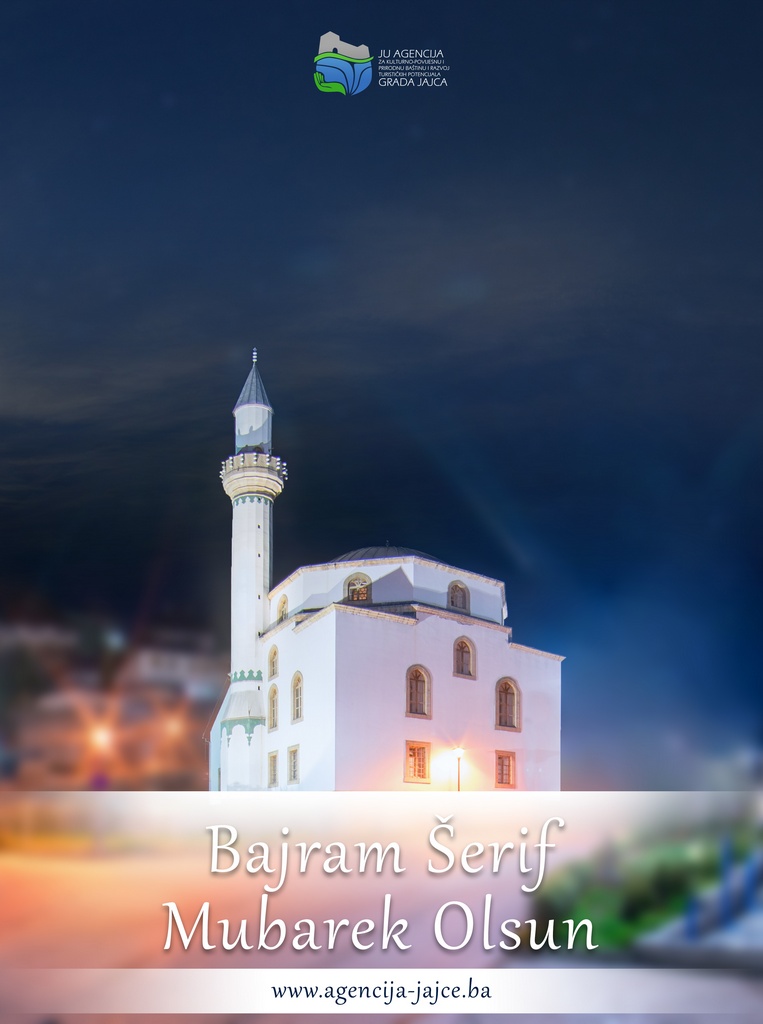
Kada nastavite dalje uzbrdo, u pravcu Jajačke tvrđave, proći ćete pored Sahat-kule i tzv. “Ženske džamije”, koja danas nije aktivni vjerski objekat, ali je zaista dug vremenski period tokom svetog mjeseca Ramazana bila rezervisana samo za žensku molitvu.


Na ulazu u tvrđavu, za koju se pretpostavlja da je izgrađena još u 13. vijeku i kasnije nadograđivana, na ranijem ulaznom portalu dočekao nas je ponosni grb bosanske vladarske porodice – dinastije Kotromanića.


 Ova tvrđava je služila u odbrambene svrhe i slovila za neosvojivu (između ostalog i zbog toga što je imala vlastiti izvor pitke vode), što pokazuje i činjenica da se jedan njen bedem pruža do Plive, a drugi do Vrbasa, kao prirodnih ograničenja. Rekonstrukcija i restauracija tvrđave započete su u austrougarskom periodu i u biti još uvijek traju. Zaista je bio poseban osjećaj kročiti njenim zidinama i pod nogama osjetiti historiju kako vrije i pulsira. A grad – vidite ga kao na dlanu. Svakim korakom mi je bivalo jasnije, zašto je Jajce odabrano za jedno od Top Hidden Treasures.

To me dovodi do imena grada Jajca i nekoliko predanja vezanih za njega. A vi procijenite, darlings, koje vam zvuči najsmislenije. 😉 Naime, jedni kažu da potječe od toga, da je osnivač grada, bosanski vojvoda Hrvoje Vukčić Hrvatinić naložio izgradnju grada po uzoru na napuljski Castello del Uovo (tj. Dvorac Jajce). Drugi, pak, da su se prilikom zidanja grada u malter stavljala jaja, kako bi malter bio čvršći. A treći, pak, polaze od geografskog smještaja. Prema njima, Jajce je kao grad i utvrda bilo smješteno na jajolikoj stijeni prema kojoj je dobilo ime. Meni se ova posljednja najviše sviđa. Šta vi kažete, darlings? 🙂


Kada se spustite niz tvrđavu u njenom podnožju vas očekuje Medvjed kula. Kao i za grad Jajce, za ime ove izvidničke i odbrambene kule vezane su dvije legende. Jedna kaže da se zove tako jer je čvrsta i snažna kao mrki medvjed. A druga, da je kazna za teške prestupnike u prošlosti bila da ih u kulu zatvore s medvjedom. Brrrrr! Mislim da smo ovog puta svi istog mišljenja – da je ova prva puno ljepša. 😉


Prekoputa kule nalazi se ulaz u katakombe, uklesane u živu stijenu, čiju je gradnju započeo osnivač grada i koje su njemu i njegovoj supruzi trebale služiti kao grobnica i sakralni objekat.
Međutim, Hrvoje je preminuo prije okončanja radova, te ova podzemna utvrda nikada nije završena. Ono što me je fasciniralo jeste da je unutra temperatura cijelu godinu konstantna i iznosi 10 stepeni celzijusa, te da su katakombe duboke tačno 10 metara.


Također, finalizirani strop katakombi ima formu ljiljana (“Lilium Bosniacum”) s grba vladarske dinastije. Potpuno WUNDERBAR, zar ne?! Ipak, za vrijeme II svjetskog rata, katakombe su dobile i drugu svrhu. Naime, u njima su u periodu njemačkog bombardovanja Jajca zaštitu našli budući predsjednik Jugoslavije Tito i njegov glavni štab. I time dolazimo do maršala. 🙂
Kada izađete iz starog dijela grada kroz Travničku kapiju, predlažem vam da napravite mali predah od obilaska znamenitosti i prošetate kroz park ispod mosta. Pojedite sladoled, odahnite na klupi uz šum vode i pogled na divno zelenilo. Ili, možete obići porodicu paunova, koja se također nalazi u parku i čiji “pater familias”, i pored nagovaranja s naše strane, nije bio raspoložen da nas počasti čarolijom boja svog repa. 😉


Kada pređete most, s desne strane vas čeka Muzej II zasjedanja AVNOJ-a (Antifašističkog vijeća narodnog oslobođenja Jugoslavije).


 U pitanju je muzej posvećen historijskom zasjedanju održanom 29. i 30. novembra 1943. godine, na kojem su postavljeni temelji bivše države Jugoslavije, čiji je Bosna i Hercegovina bila sastavni dio.


 Ako se u gradu zadesite krajem novembra mjeseca, možete uzeti učešće i u manifestaciji “Dani AVNOJ-a u Jajcu”. U muzeju se nalazi sala u kojoj je održana ta sjednica s većinom originalnog namještaja, dosta pisane i fotodokumentacije i, između ostalog, originalnom foteljom na kojoj je sjedio tadašnji maršal i kasniji predsjednik Tito.
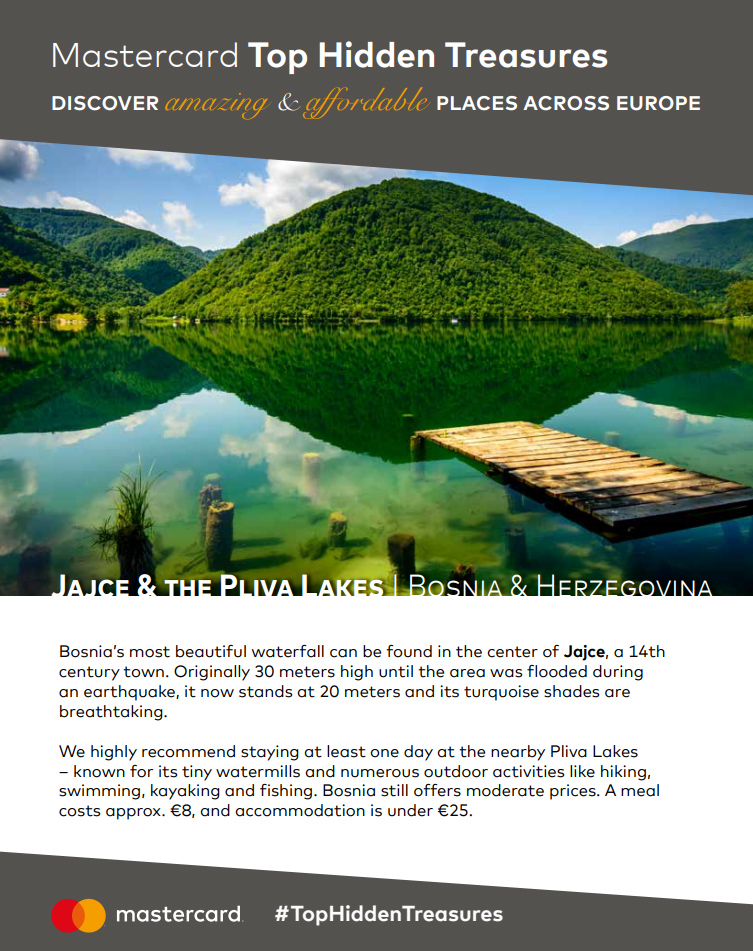
I šta mi je još ostalo da vam ispričam? Pa naravno – nedostaju još samo hobiti! 😉 Da, šalim se, nismo srele ni jednog, ali gotovo sam ubijeđena da bi se samo 5 kilometara od grada Jajca, gdje su u raju zelenila, mostića i malih vodenica smješteni Malo i Veliko plivsko jezero, bez problema mogao nalaziti i čuveni “Auenland” – domovina ovih mitskih bića iz trilogije “Gospodar prstenova” pisca R. R. Tolkiena.


Pored divlje prirode u području poznatijem kao “Mlinčići” nalazi se nekih 20 malih vodenica za mljevenje žita, koje su nakon mnogo godina napokon 2016. godine rekonstruisane, ali još uvijek, osim dvije, ne služe svojoj funkciji.


 Smatra se da su izvorno izgrađene u srednjem vijeku i danas predstavljaju pravi turistički mamac. Vjerujte mi na riječ, prva stvar koju želite uraditi kada vidite tih 20 malih drvenih kućica obilježenih rednim brojevima, ispod i oko kojih huči žustra Pliva i koje su povezane uskim rampama i mostićima, jeste da sjednete na travnjak prekoputa njih, slušate vodu kako skače s kamena na kamen i oči odmarate njihovim neodoljivim prizorom. Ma možda su ih stvarno sagradili hobiti!? Šta vi kažete, darlings? 😉


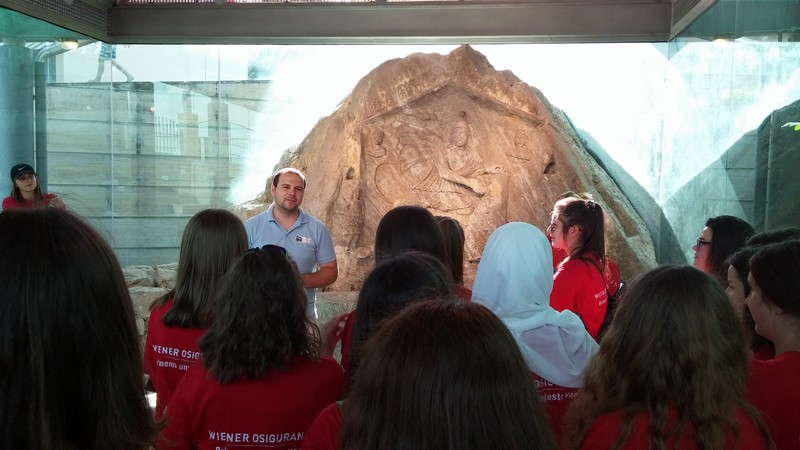
I tako, nakon dva dana srednjobosanskog gostoprimstva, čistih voda, legendi, historije, dobre hrane i još mnogo toga, vrijeme je bilo da Alma i ja krenemo nazad kući u Sarajevo. A ostalo nam je još toga da vidimo, npr. Saračeva kuća ili Šarenica – objekat izgrađen u pseudomaurskom stilu (slično sarajevskoj Vijećnici), gdje je osnovana prva novinska agencija nove Jugoslavije – TANJUG. Tu je, zatim, hram boga Mitre, čuvenog indo-iranskog božanstva Sunca i svjetlosti, koji potječe još iz 4. vijeka, pa Gradska galerija u staroj Kršlakovoj kući…

To znači samo jedno – da ubrzo moramo doći ponovo. A nema nam svakako druge, jer smo dio srca definitivno ostavile na čuvanje u ovom posebnom gradu.<3
Doskora, darlings!
Ovaj post je pripremljen u okviru kampanje Top Hidden Treasures kompanije Mastercard. Kako bi otkrili i druge nepoznate i prekrasne destinacije širom Evrope, pratite hashtag#TopHiddenTreasures na društvenim mrežama.
Zahvaljujem se od srca JU “Agenciji za kulturno-historijsku i prirodnu baštinu i razvoj turističkih potencijala grada Jajca” na ukazanom izuzetnom gostoprimstvu, te pomoći i podršci prilikom pripreme ovog putopisa, a posebno njenom direktoru, gospodinu Husi Hadžiću, koji je neprikosnoveni ambasador svog grada, te saradniku Agencije gospodinu Samedu Žužiću na odvojenom vremenu i pruženim “insajderskim” informacijama. Također se zahvaljujem hotelu “Stari grad” na više nego ugodnom boravku, zbog kojeg sam se osjećala gotovo kao kod kuće.
A za još više informacija o Jajcu, možete napraviti besplatan download dvojezične turističke brošure o ovom gradu, pripremljene od strane Agencije Jajce.